 Search
Arrive 15 minutes early
You rest in a cool room so your skin can settle to the room temperature. That is what makes the images accurate.

Thermography in Amarillo
Medical thermography uses a high-resolution infrared camera to read the heat your body gives off. Nothing touches you, nothing is compressed, and every study is read by a physician.
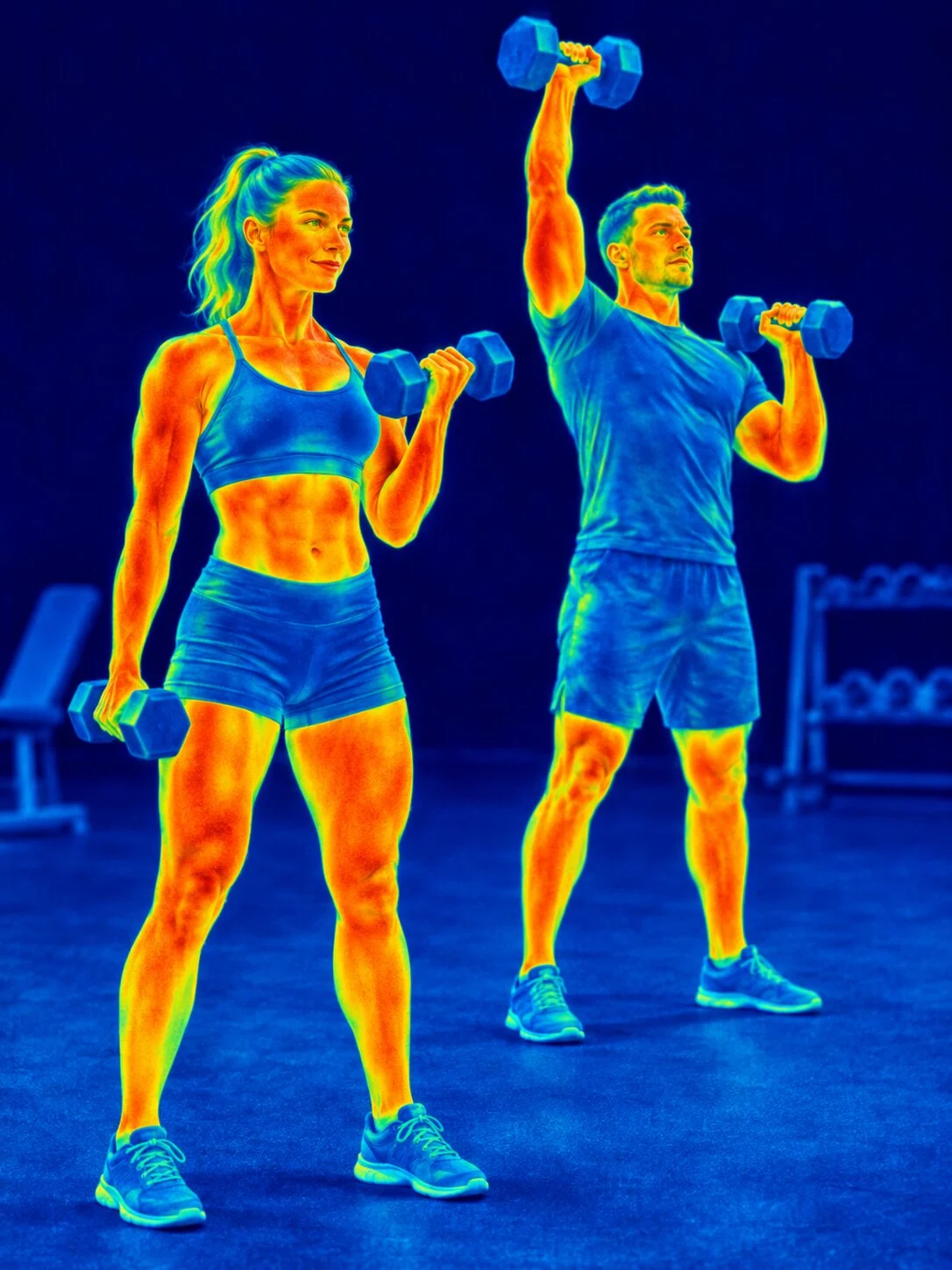
Blood flow, inflammation and nerve activity all change the temperature of your skin, often long before you feel a symptom. A thermography camera turns those small changes into a detailed color map.
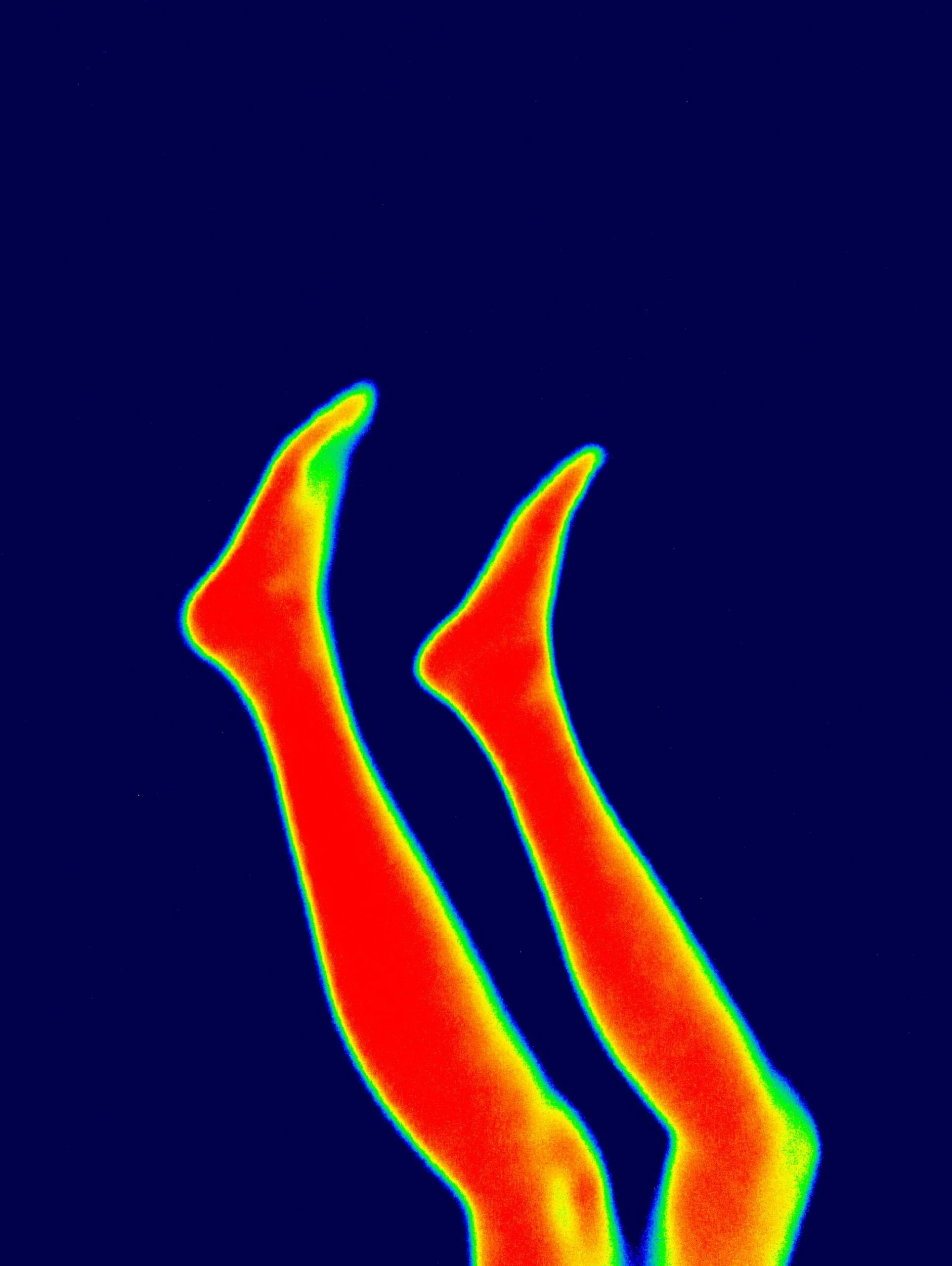
Warm areas show up in reds and whites, balanced areas in blues and greens. Your first study becomes your personal baseline, and every study after it is compared against that picture to see what is changing over time.
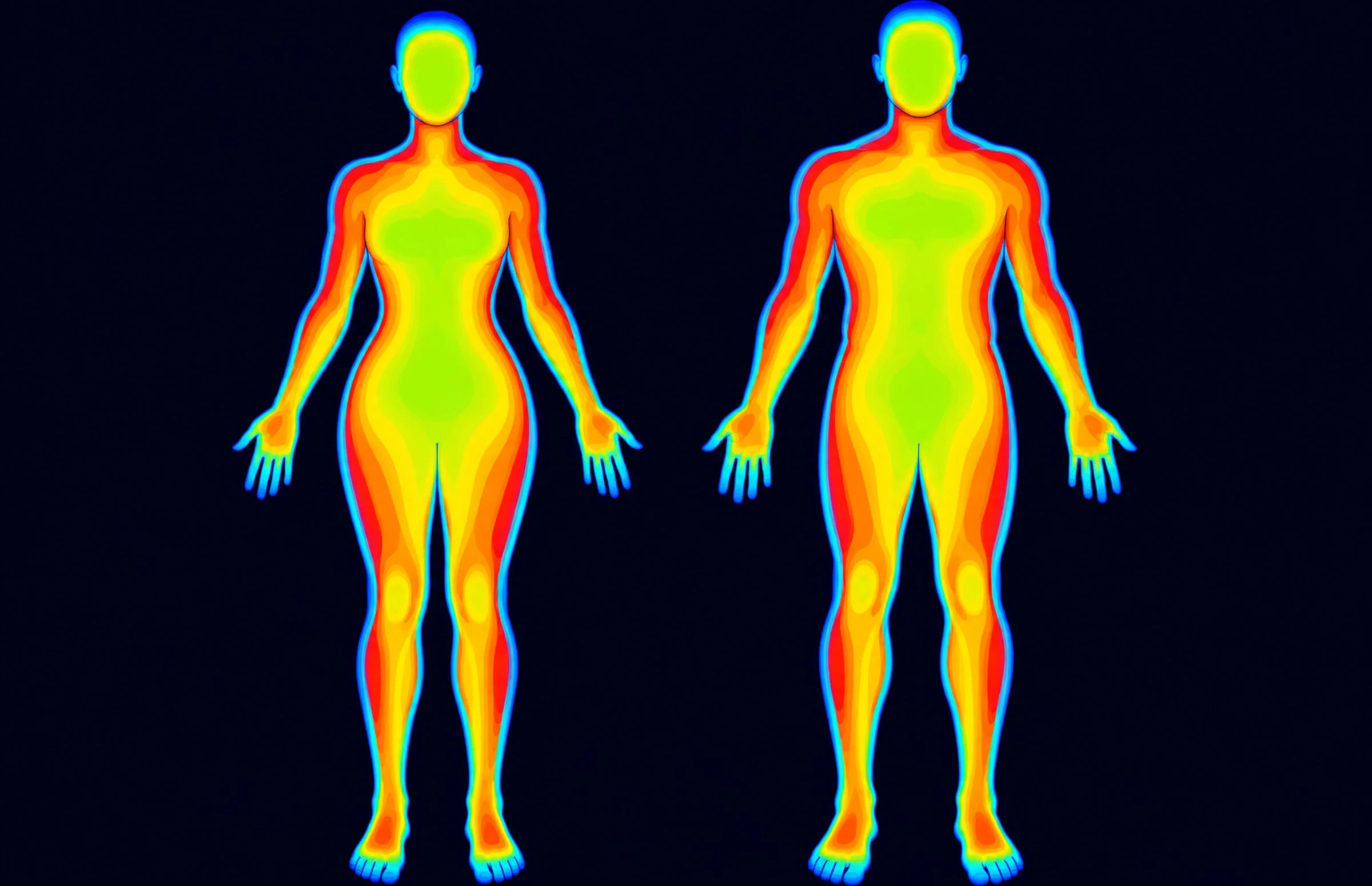
The camera only reads heat. It sends nothing into your body, so you can repeat studies as often as you need.
The camera sits a few feet away. No compression, no needles, no contrast dye.
Every image set is read by a physician trained in thermal imaging, and you receive a written report.
Breast implants, pregnancy and dense tissue are no barrier to a thermal study.
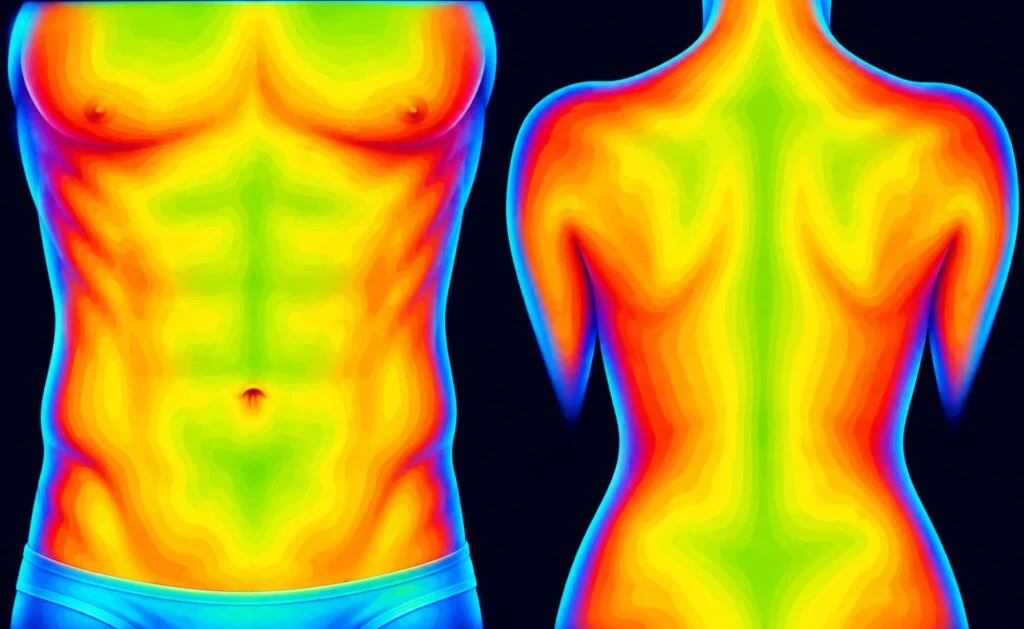
Thermography is not a diagnostic tool and does not replace mammography, ultrasound or other tests ordered by your healthcare provider. It does not detect or diagnose cancer or any disease.
Thermography works alongside the care your provider recommends.
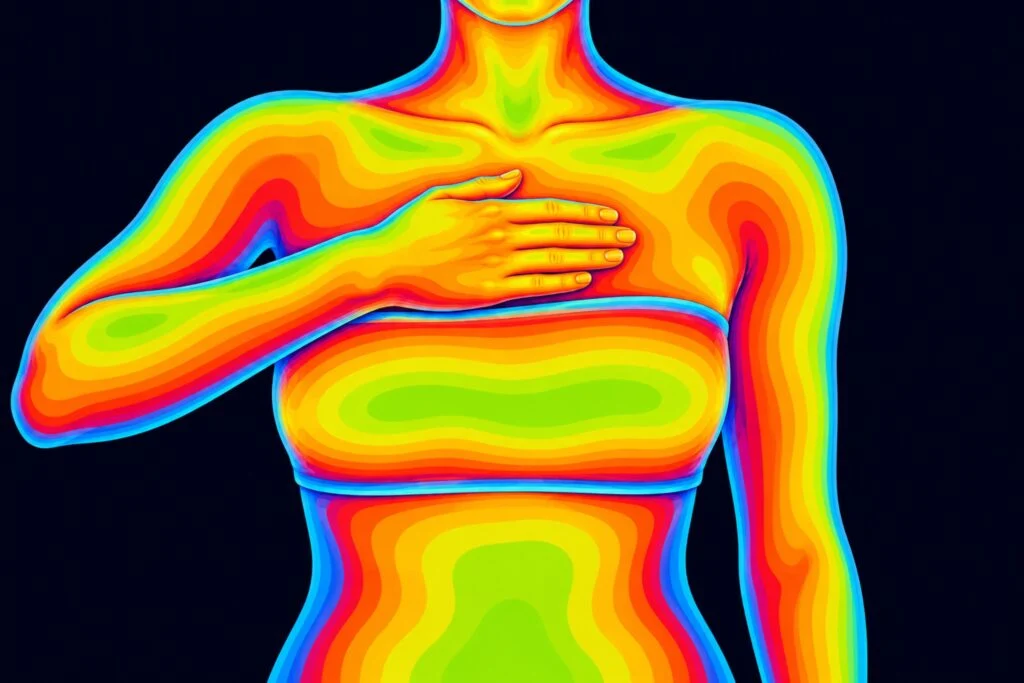
A radiation-free look, alongside the screenings your provider recommends.

For anyone tracking inflammation, pain or circulation over time.

See if your body is responding to changes in diet, sleep or stress.

A baseline look at the thyroid, chest and core.

Call (806) 477-2111 and Bree will help you choose.
Call Us
You rest in a cool room so your skin can settle to the room temperature. That is what makes the images accurate.
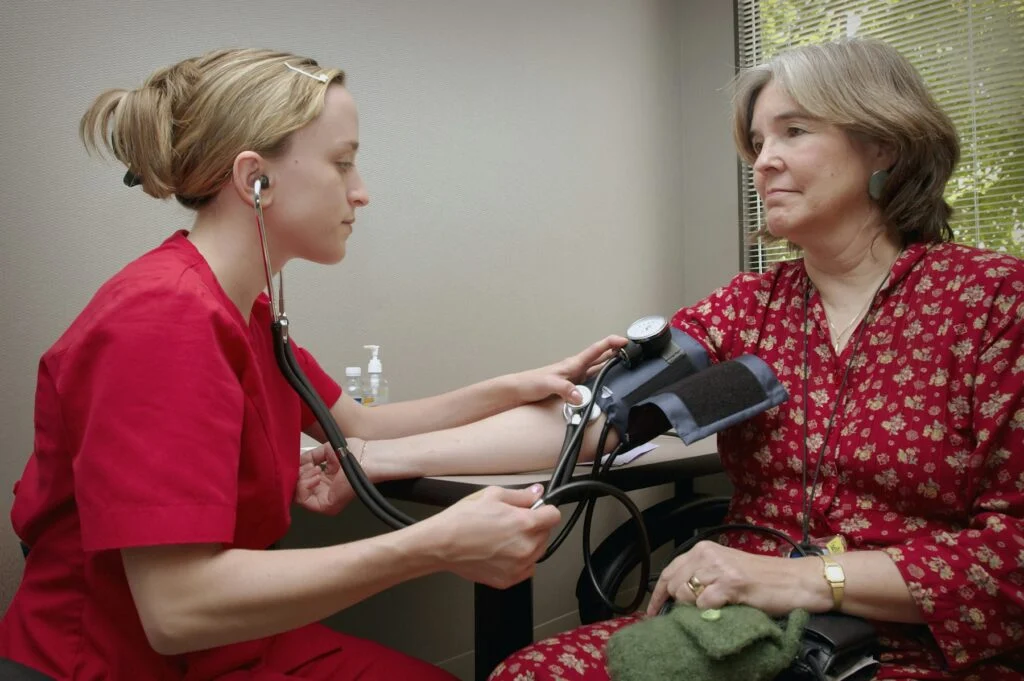
Bree walks through your history, any concerns and the areas you want imaged.
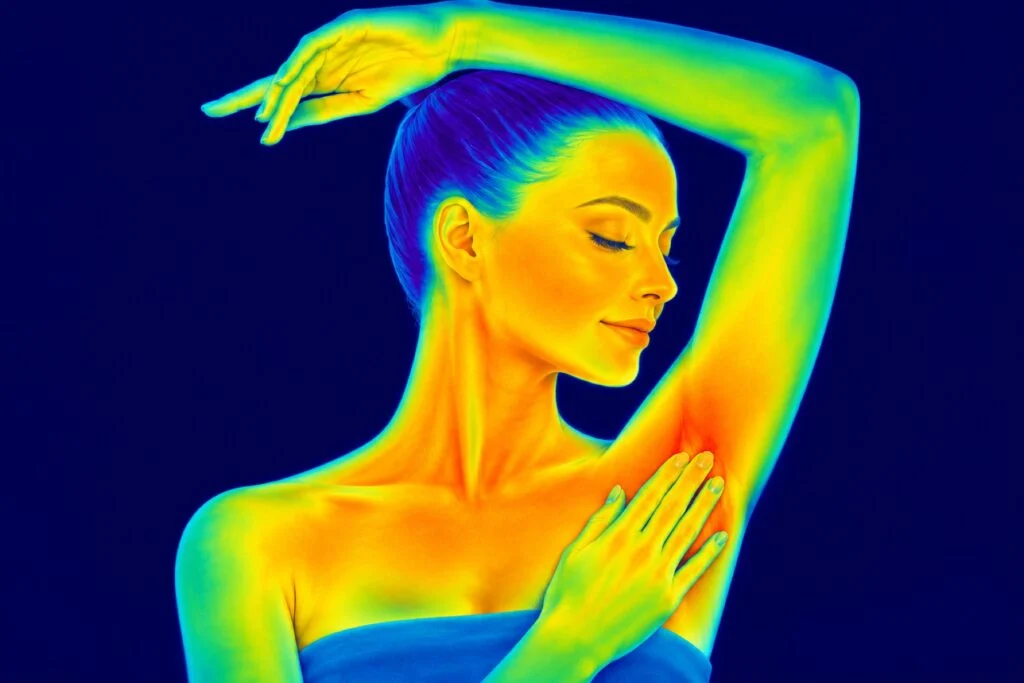
You stand a few feet from the camera while it takes a series of views. Most studies take 15 to 30 minutes; a full body study takes about 45.

A physician reads your images and you receive a written report. Bree is glad to walk through it with you.
No. Thermography shows how your body is functioning; a mammogram shows structure. They answer different questions and work well together. Keep the screenings your provider recommends.
Not at all. Nothing touches you and nothing is compressed.
Yes. The camera only reads heat, so implants are not a concern.
Yes. The Half Body and Full Body studies are popular with men who want a look at the thyroid, chest and core.
Yes, you can be imaged at any point in your cycle. Let us know where you are in your cycle at your visit.
A physician trained in thermal imaging reads every study and writes your report.
Most insurance plans do not cover thermography. Many people pay with an HSA or FSA card; check with your plan.
Your report explains what was seen. If an area needs a closer look, you take it to your provider, who may order tests like an ultrasound.
Book your study online, or call (806) 477-2111 with any questions.